
Introduction
Negative emotions are a natural part of life. Whether it’s anger, fear, sadness, or frustration, these feelings can impact our mental health, relationships, and productivity. The key is not to avoid negative emotions but to manage them effectively. In this blog, you’ll discover practical strategies for handling negative emotions, building emotional intelligence, and creating inner balance.
Why It’s Important to Handle Negative Emotions

Uncontrolled negative emotions can lead to:
- Chronic stress and anxiety
- Poor decision-making
- Conflict in relationships
- Physical health issues (e.g., high blood pressure, fatigue)
The state of mind is translated into body chemistry. Like fear or anger, they generate their chemicals and continue to accumulate in their target organs, leading to physical complaints.
When managed properly, negative emotions can become a source of personal growth, resilience, and self-awareness.
1. Acknowledge and Name the Emotion

Ignoring emotions doesn’t make them disappear. Instead, recognize what you’re feeling. Ask yourself:
- “What emotion am I experiencing?”
- “Why am I feeling this way?”
Naming the emotion helps to externalize it, giving you more control over your response. This simple act is part of developing emotional intelligence.
For example, you can identify that you are feeling JEALOUS and ask yourself why I am feeling so.
2. Practice Mindful Awareness

Mindfulness helps you stay present with your feelings without judgment. By observing your emotions instead of reacting impulsively, you create space between stimulus and response.
Try this:
Spend 2 minutes focusing on your breath whenever a strong emotion arises. Let the feeling pass like a cloud without holding on to it.
3. Reframe Negative Thoughts

Negative emotions often stem from distorted thinking. Cognitive reframing helps you challenge irrational beliefs and replace them with balanced thoughts.
One can identify the automatic or reactive behaviour patterns by observing a few past emotionally charged incidents, note them and plan to modify for future.
Instead of thinking:
“I always mess things up.”
Reframe to:
“I made a mistake, but I can learn from it and do better next time.”
4. Use Physical Movement to Release Tension

Emotions are stored in the body. Different emotions have their different target organs. For example; chemicals of suppressed anger gets stored in joints, manifest in raised blood pressure. Activities like:
- Walking
- Yoga
- Stretching
- Dancing
can help release built-up tension and promote emotional clarity.
5. Journaling for Emotional Clarity

Writing down your thoughts and emotions helps organize your internal world. Journaling allows you to process feelings, spot patterns, and gain insights.
Tip:
End your journal entry with a question or positive affirmation to shift your perspective.
6. Talk to Someone You Trust

Sometimes, talking to a friend, coach, or therapist can give you a new lens on your emotions. Verbalizing your feelings reduces their intensity and offers emotional support.
7. Create Healthy Emotional Boundaries

If others’ emotions are overwhelming you, it’s okay to set boundaries. Protect your emotional space and give yourself permission to step away from toxic situations.
Final Thoughts
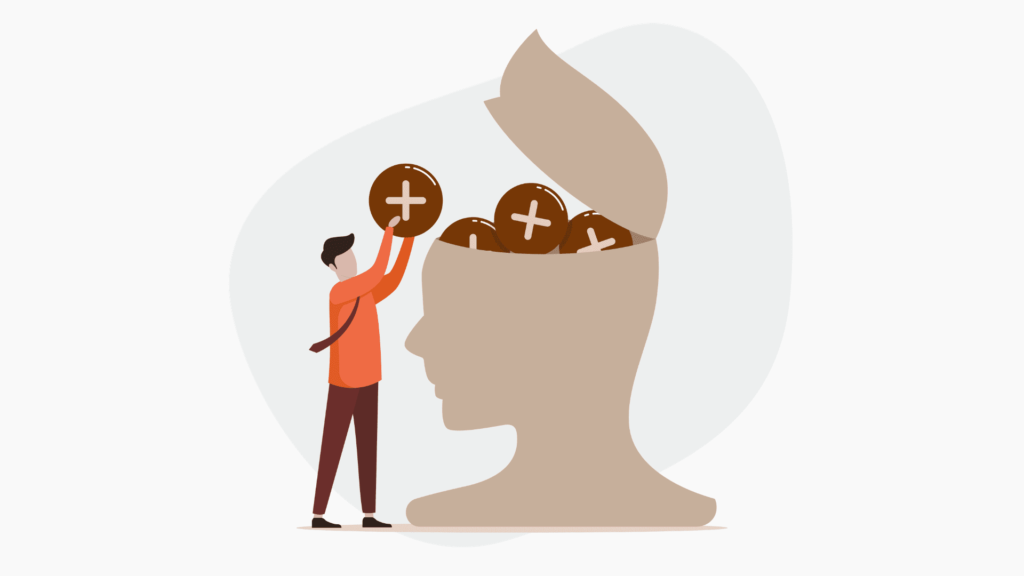
Handling negative emotions is a skill that can be learned. With consistent practice, you can build resilience, improve emotional regulation, and enhance your overall mental well-being.
SEO Keywords to Include:
- Handling negative emotions
- Emotional regulation techniques
- How to manage emotional stress
- Coping with anger and anxiety
- Mindfulness for emotions
- Emotional intelligence skills
- Tips for mental well-being